What Happens If Your Bird Doesn’t Get Enough Light?

Many bird owners focus on food, toys, and cage size — but overlook one of the most important environmental factors indoors: light.
Just like sunlight shapes the daily lives of wild birds, indoor lighting gives pet birds the cues they need to stay active, alert, and emotionally balanced.
So what actually happens when a bird doesn’t get enough light?
Let’s break it down in a clear, bird-safe way.
Why Light Matters for Indoor Birds
In nature, birds use the rising and setting sun to regulate:
daily activity
rest and sleep
feeding patterns
social interaction
seasonal behaviors
These natural time cues are part of their circadian rhythm — the internal clock that helps them understand when it’s time to wake, explore, relax, and sleep.
Indoors, birds rely almost entirely on artificial lighting for these signals.
Common Signs Your Bird Isn’t Getting Enough Light
Birds rarely show dramatic symptoms when their lighting is insufficient.
Instead, owners often observe subtle behavioral changes such as:
spending more time resting or sitting quietly
reduced play or curiosity
less vocalization
staying in darker corners of the cage
slower morning “wake-up” behavior
irregular eating patterns
These are not medical indicators, but they are commonly observed by bird owners when lighting is too dim or inconsistent.
How Inadequate Lighting Affects Daily Rhythm
Without enough light, birds may struggle with:
✅ Establishing a stable routine
They may wake up later, become active at random times, or have trouble settling down at night.
✅ Maintaining natural activity levels
Birds kept in dim environments often move less and engage less with their surroundings.
✅ Behavioral stability
Lighting inconsistencies can contribute to:
restlessness in the evening
low daytime energy
increased startle reactions
Again, these effects are based on owner reports and behavioral observations, not medical claims.
Why Brightness Alone Isn’t Enough
Some owners try compensating by turning on more lamps — but brightness isn’t the whole story.
Birds need:
✅ consistent daytime light duration (10–12 hours)
✅ a clear difference between day and night
✅ even, flicker-free illumination
✅ a natural daylight color tone around 6500K
This helps indoor lighting feel more like a predictable daytime environment.
Creating a Healthy Lighting Setup
To support your bird’s natural rhythm:
provide 10–12 hours of well-lit daytime
ensure the cage has bright and shaded areas
avoid dim rooms or indirect lighting only
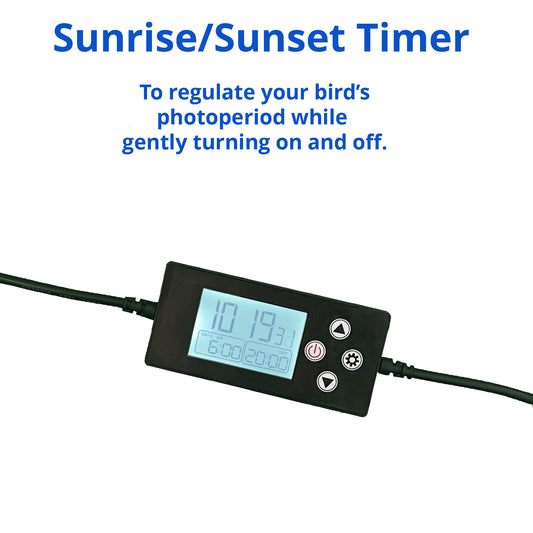
use timers for consistency
place lighting above and slightly in front of the cage
Small changes can make a noticeable difference in your bird’s daily engagement.
Why HappyBird Lights Support Indoor Birds Well
Modern indoor lighting varies widely in quality.
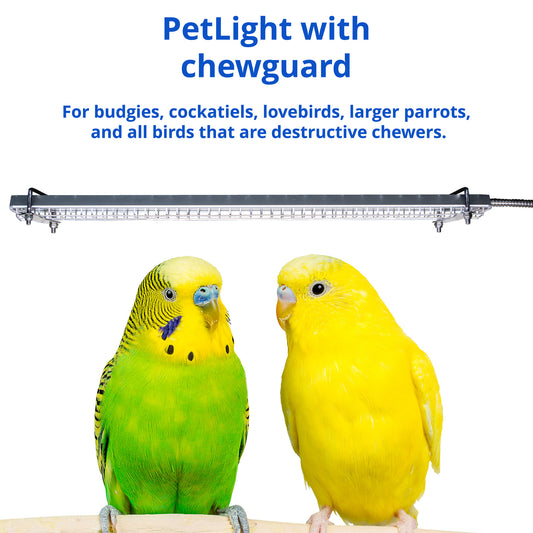
HappyBird lights were designed specifically for indoor birds, offering:
flicker-free LEDs for visual comfort
6500K daylight balance that feels natural to birds
UVB-free output, safe for a bird’s eyes which are sensitive to UVB
cage-mounted placement for even, safe lighting
chew-safe construction for parrots and budgies
This creates a stable lighting environment that helps your bird understand the rhythm of the day.
Takeaway
Indoor birds rely on you to provide the light cues they would naturally get from the sun.
If lighting is too dim or inconsistent, many birds become:
less active
less engaged
more irregular in their daily routine
By offering bright, flicker-free, daylight-balanced lighting for 10–12 hours each day, you can support a calm, predictable rhythm that makes indoor life feel more natural.