Is Natural Window Light Enough for Indoor Birds?

Many bird owners place their bird’s cage near a bright window and assume that the natural sunlight coming through the glass provides everything their bird needs.
While window light can make a bird’s space feel warm and cheerful, it doesn’t always offer the full lighting benefits birds rely on in nature.
So — is sunlight through a window enough for indoor birds?
Let’s break it down clearly and safely.
What Window Glass Really Does to Sunlight
Most standard window glass filters out important parts of sunlight, especially:
nearly all UVB
a large portion of UVA
brightness variations birds use as natural time cues
This means a bird sitting in a sunny spot indoors experiences:
✅ visible light
✅ warmth
❌ very little UVB
❌ reduced UVA
The light looks natural to us, but birds perceive it differently.
Why Birds Don’t Get Sunburn Indoors
UVB is the wavelength responsible for sunburn.
Because window glass blocks UVB:
indoor birds cannot get sunburn from sunlight through a window
This protects them from UV-related skin or eye irritation, but it also means they don’t receive the same ultraviolet cues wild birds get outdoors.
Common Misconceptions About Window Light
Many owners believe:
“Sunlight is sunlight — if it’s bright, it’s enough.”
However, brightness alone doesn’t provide:
consistent day–night rhythm
even illumination inside the cage
stable color balance
flicker-free light
controlled exposure
Birds may still spend large parts of the day in dim or shadowed areas indoors, even next to a window.
What Birds Still Need Indoors
Indoor birds depend on lighting that offers:
✅ 10–12 hours of clear daytime light
✅ a predictable day/night rhythm
✅ even illumination inside the cage
✅ daylight-balanced color temperature around 6500K
✅ flicker-free visual comfort
Window light changes constantly with:
weather
season
time of day
room orientation
shadows cast by the cage
This inconsistency can make daily routine cues less clear.
Signs Window Light Isn’t Enough
Bird owners commonly report:
a quieter or less active bird on cloudy days
irregular wake-up times
staying in darker cage areas
reduced playing or exploring indoors
These are not medical symptoms, but commonly observed behavior patterns linked to low or inconsistent lighting.
Why Supplemental Lighting Helps
A dedicated indoor bird light can provide:
stable brightness throughout the day
consistent color tone
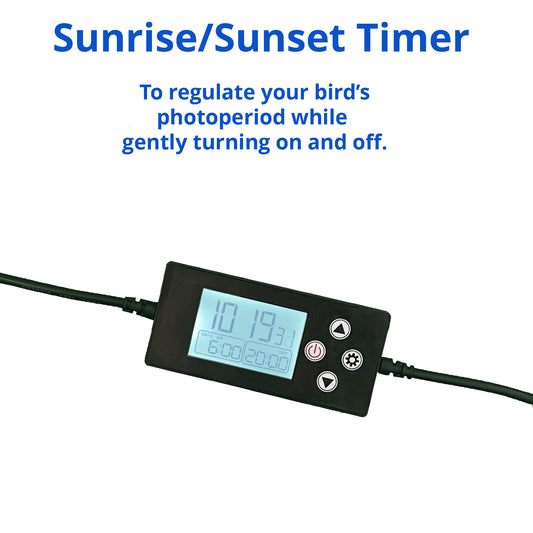
predictable timing with a timer
even light distribution across the cage
This creates clearer environmental signals for the bird, supporting daily rhythm and activity.
Why HappyBird Lighting Works Well Indoors
Window light can be a great addition, but it usually needs support.
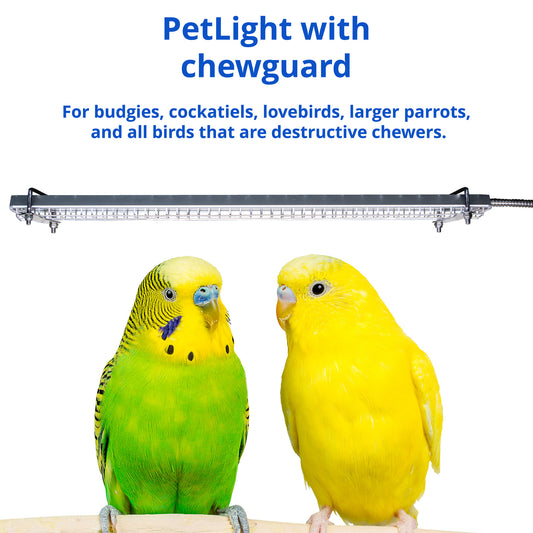
HappyBird lights were designed specifically for indoor birds, offering:
flicker-free illumination
6500K daylight balance
UVB-free output for visual comfort
cage-mounted placement for even lighting
chew-safe construction
This allows birds to enjoy natural-feeling light indoors without the risks of UVB exposure.
Takeaway
Sunlight through a window is pleasant and helpful — but by itself, it’s usually not enough to meet the lighting needs of indoor birds.
The best setup combines:
✅ natural daylight from windows
✅ stable, flicker-free indoor lighting for 10–12 hours
✅ a clear day/night rhythm
This creates a more natural and predictable environment that supports calm behavior and daily activity.